Fashion / News · Trends · Shopping · Style
Courrèges SS27 opens a less predictable chapter
Drew Henry’s debut brings colour, archival play and a deliberately loosened finish to a house often reduced to Space Age precision.

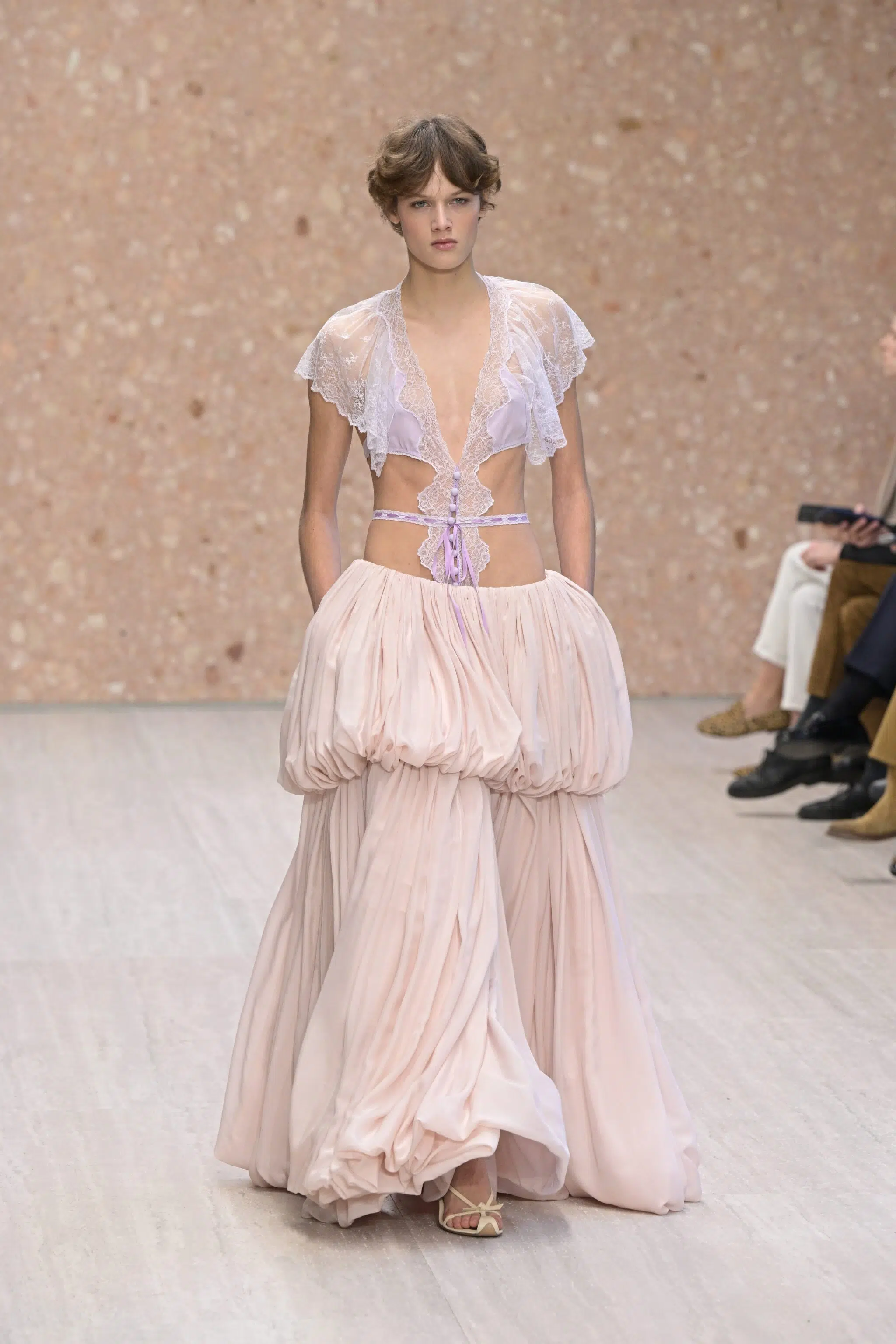
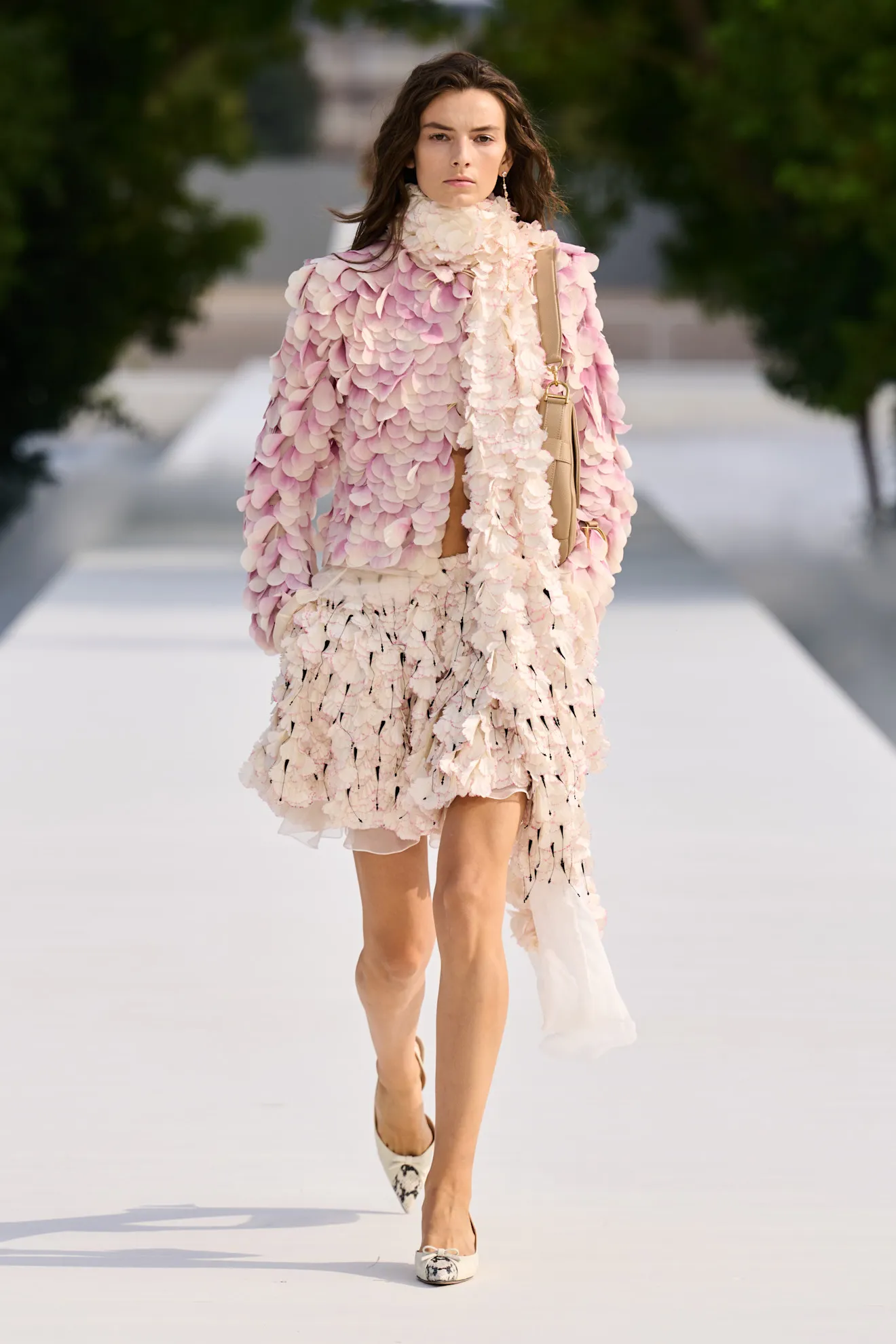
Drew Henry’s first collection for Courrèges began by challenging the narrowness of the house’s familiar image. Presented at the Palais de Tokyo on 30 September 2026, his Spring/Summer 2027 debut drew on a wider archive than the clean, white futurism often used to summarise the brand. Colour, eccentric hats, loosened edges and unexpected combinations gave the collection a more irregular character. The debut establishes a clear change in voice, while leaving the longer-term shape of Henry’s direction open.
For StraitsG readers, the collection offers a useful way to examine a designer transition without reducing it to approval or rejection. A new creative director has to decide which aspects of a house remain active and which have become shorthand. Henry’s proposition asks whether Courrèges can become more human and varied while retaining a recognisable identity. That question is more revealing than deciding whether every look conforms to the recent image of the brand.
The archive is larger than its shorthand
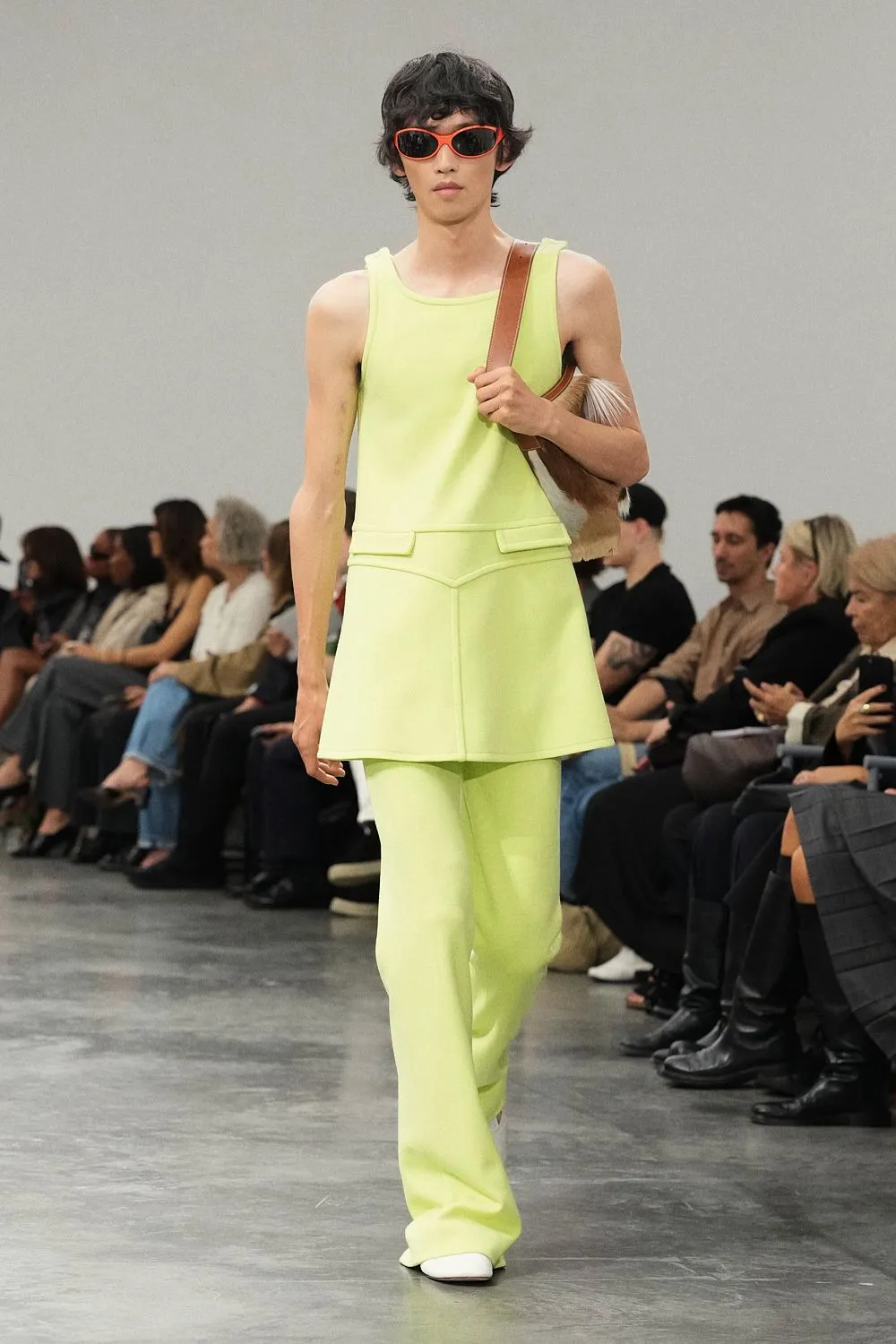
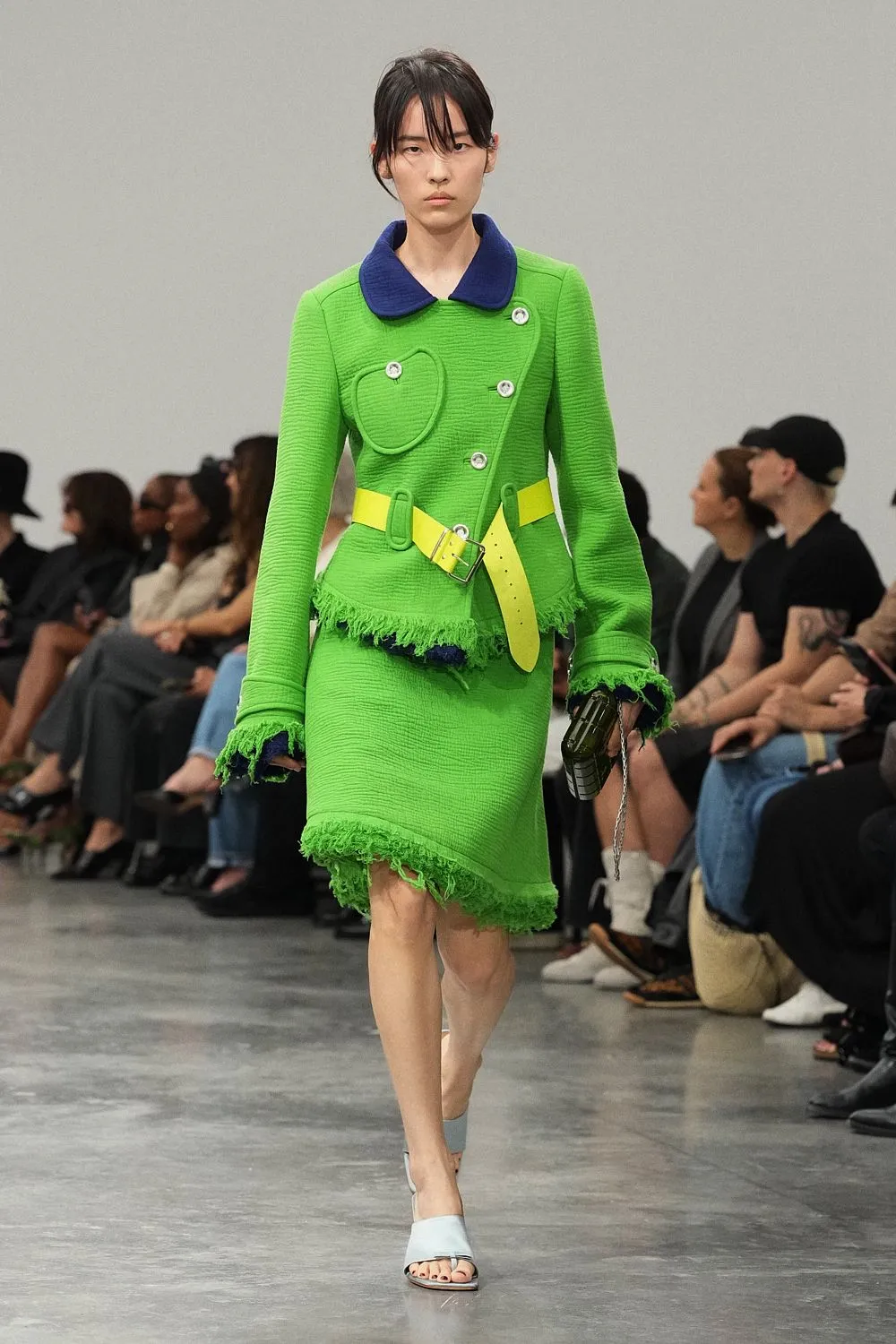
Runway accounts record chalky pastels, bright green and lime, archive-inspired boots and unusual hats. AnOther’s reporting also identifies playful archival touches and a broad range of clothing categories. The collection’s historical research therefore does not function solely as a return to the house’s most widely recognised silhouettes. It supplies material for a less predictable image.
This is a common challenge for heritage design. A few successful codes can become so dominant that they seem to describe the whole archive. Looking beyond them does not necessarily reject the house’s identity. It can reveal how much of that identity was previously hidden by repetition. The critical task is to make the newly foregrounded references belong together. A wider archive offers more possibilities, but it also requires more editing if the collection is to communicate clearly.
A different kind of neatness
Henry’s reported interest in a softer, less pristine Courrèges appears through raw or unravelled edges, loosened belts and layered combinations. These gestures complicate the relationship between a precise starting shape and the finish that makes it public. The garment can retain its outline while appearing less untouched.
Our interpretation is that this changes the emotional distance of the brand. A highly polished garment can suggest an idealised body moving through an idealised environment. A more visibly handled piece allows signs of life into the image. Yet imperfection needs its own discipline. A rough edge or a displaced belt is persuasive when it reveals character or movement. If it has no clear relationship to the whole, it can look like an unresolved decision rather than a deliberate opening.
Colour expands the conversation
Colour can alter a house’s atmosphere quickly, particularly when its recent public image is associated with a restricted palette. The bright and softer tones reported in Henry’s collection introduce another source of personality. The shift is not merely decorative: colour changes the way a silhouette is perceived and how strongly it separates from its surroundings.
For a wearer, this creates a more flexible entry point. Someone may respond to a particular tone before responding to a historical reference. Another person may keep the colour quiet and take interest in the altered construction. A collection with several routes of approach can accommodate more kinds of taste. The challenge is to maintain enough coherence that those routes still lead to a recognisable brand rather than a miscellaneous group of appealing objects.
A debut should be read as an opening
A first show can demonstrate instincts, priorities and areas of risk. It cannot establish how those ideas will evolve over several seasons. That distinction matters when judging a collection shaped by a change of creative leadership. An ambitious debut may contain more possibilities than a mature wardrobe needs, while a restrained one may reveal its character only gradually.
Courrèges SS27 is useful to discuss through that lens. Henry’s broader archive and altered finish offer a method rather than a final answer. The reader can ask which ideas appear capable of development: a more varied wardrobe, a less pristine image, a stronger role for colour or a changed relationship with accessories. This allows criticism to remain specific. A particular gesture can be questioned without pretending that one collection settles the value of the entire appointment.
A Singapore interpretation of the change
Our local styling edit would choose a single point of looseness. An exact silhouette can gain character through a less controlled accessory or a more relaxed way of wearing a layer. A bright piece can sit inside a calmer outfit. A familiar garment with an unexpected detail may communicate the collection’s spirit more comfortably than a complete look full of competing interventions.
The practical choices depend on individual fabrication and fit. Vinyl and other visibly sleek materials cannot be assumed suitable for tropical conditions from appearance alone. A lighter-looking alternative may preserve the proportion without reproducing the material. The useful question for Singapore dressing is which part of the design idea matters most to the wearer. Colour, shape and finish can be separated and tested, allowing an interpretation that responds to daily life rather than the exact runway context.
A changed brand image can also be assessed through the objects that sit between the strongest runway statements. Those transitional pieces reveal whether a new direction offers a usable vocabulary or only a series of memorable exceptions. A quieter garment may connect colour, proportion and finish more convincingly than the look that attracts the most immediate attention. For the reader, it is worth resisting the temptation to make one unusual hat or one disrupted silhouette stand for the whole debut. Look instead at the relationships across the collection. Do the differences feel generated by a common set of interests? Can their character survive when they are worn separately? These questions allow a more patient judgment, one that remains critical while recognising that the first public chapter of a designer’s work contains both declarations and the early beginnings of a wardrobe.
Identity that can tolerate variation
The most interesting heritage houses remain recognisable without requiring every garment to repeat an established emblem. They carry a way of thinking about movement, the body or social life that can survive changes of surface and silhouette. Henry’s debut asks Courrèges to tolerate more variation within that identity, making its past a source of alternatives rather than a boundary around current design.
For StraitsG readers, the collection is therefore a starting point for an ongoing conversation. Its immediate value lies in the tension between a sharply defined public image and a more eclectic proposal. Courrèges SS27 does not need to be treated as a completed reinvention to be worth attention. It introduces another set of possibilities, and the most useful critical response is to examine how clearly they work now while leaving room to see what the next collection makes of them.
Gallery
6 images




About the author
Nicole Cohen
Fashion editor and writer covering design, image-making and the creative networks connecting Southeast Asia.