Beauty / Fragrances
PERFUME BRANDS ARE RACING TO PROVE THEIR INGREDIENTS ARE UPCYCLED
Sustainability claims are moving from packaging to the raw materials perfumers actually put in the bottle.
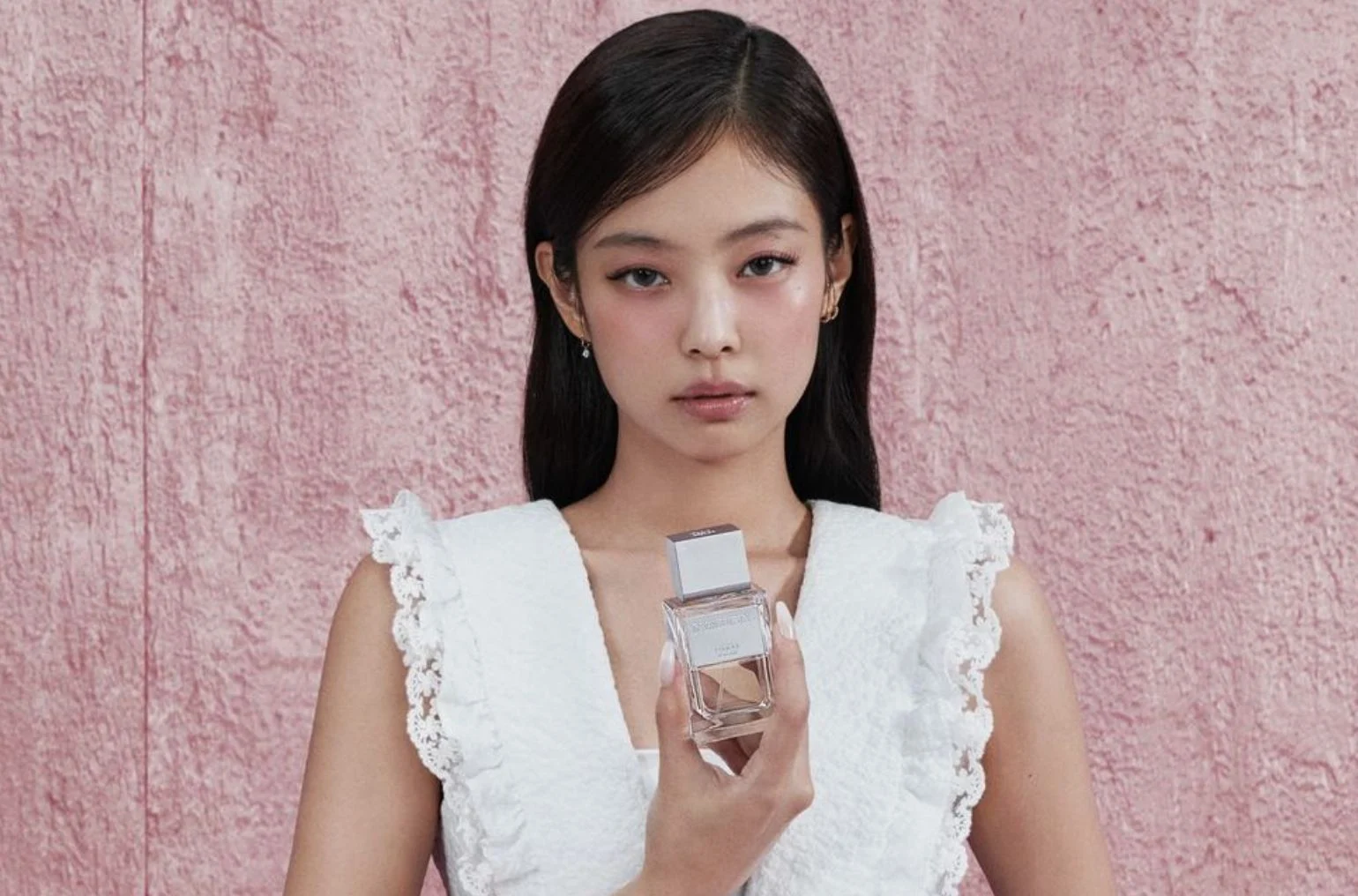
Sustainability messaging in fragrance has historically focused mostly on packaging refillable bottles, recycled glass, reduced outer packaging.
But this year has seen a genuine shift toward sustainability claims about the actual raw materials used in a fragrance's composition, with a wave of new launches specifically highlighting upcycled ingredients as a core selling point rather than a secondary environmental footnote.
Upcycled fragrance ingredients typically involve using byproducts or waste streams from other industries - fruit peels or pulp left over from juice production, spent botanical material from other extraction processes - rather than growing or sourcing fresh raw material specifically for perfume use. The approach offers genuine environmental advantages by reducing agricultural land and water use associated with cultivating fragrance ingredients from scratch, while also giving perfumers access to materials with distinctive character shaped by their unconventional sourcing process.
The trend sits alongside several other significant fragrance movements gaining momentum this year, including a surge in gourmand and food-adjacent scent compositions and the continued rise of specialised hair perfume as its own category - together suggesting an industry genuinely willing to experiment with both ingredient sourcing and product format simultaneously, rather than treating sustainability and creative innovation as separate, competing priorities.
For buyers increasingly attentive to sustainability claims across every beauty category, upcycled ingredients give fragrance brands a genuinely verifiable sustainability story considerably more concrete than the vaguer "clean" or "natural" language that has sometimes drawn scrutiny elsewhere in beauty - assuming brands are willing to disclose specific sourcing details rather than using "upcycled" as a similarly vague marketing term.
About the author
Jing Yi Tan
Fashion editor and writer covering design, image-making and the creative networks connecting Southeast Asia.